
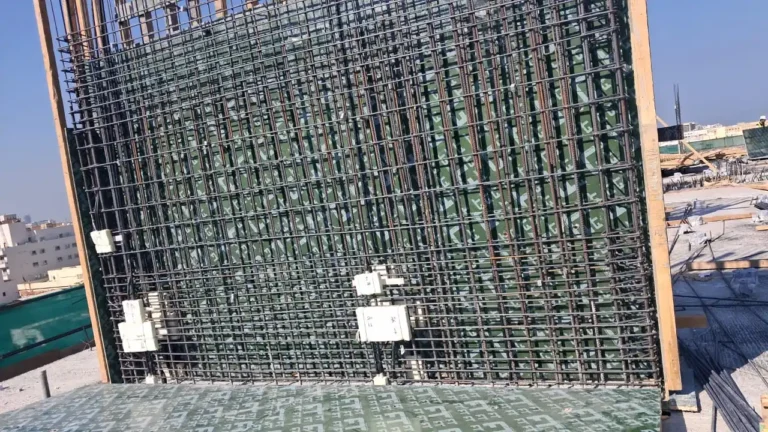
How Rebar Shop Drawings Are Prepared as per ACI Standards
In reinforced concrete construction, rebar shop drawings are among the most critical documents used for steel fabrication and site installation. Accurate shop drawings ensure that reinforcement is fabricated, delivered, and installed exactly as intended by the structural engineer.
For projects across the United States, UAE, Canada, Australia, and other international markets, rebar detailing teams typically follow the requirements of American Concrete Institute (ACI), particularly ACI 315, ACI 318, and project-specific specifications.
This guide explains the complete process of preparing rebar shop drawings according to ACI standards and how professional rebar detailing companies help contractors avoid delays, rework, and costly site issues.
What Are Rebar Shop Drawings?
Rebar shop drawings are detailed construction drawings that translate structural design drawings into fabrication and installation instructions.
They provide information such as:
- Bar sizes
- Bar marks
- Bar spacing
- Lap splice locations
- Development lengths
- Hook details
- Bending shapes
- Concrete cover requirements
- Placement sequence
- Bar quantities
These drawings are used by:
- Structural engineers
- Rebar fabricators
- General contractors
- Steel fixers
- Site supervisors
- Quality control teams
ACI Standards Used for Rebar Shop Drawings
ACI 315
ACI 315 provides recommendations for:
- Reinforcement detailing practices
- Drawing presentation standards
- Bar identification methods
- Reinforcement notation
- Placement details
ACI 318
ACI 318 governs:
- Development length requirements
- Lap splice calculations
- Anchorage provisions
- Concrete cover requirements
- Reinforcement spacing
ASTM Standards
Material specifications often reference ASTM International standards for reinforcing steel properties and fabrication requirements.
Step 1: Review Structural Design Drawings
The first stage of shop drawing preparation is a comprehensive review of:
- Structural general notes
- Foundation drawings
- Beam layouts
- Slab reinforcement plans
- Column schedules
- Shear wall details
- Stair reinforcement drawings
- Structural sections
Detailers identify:
- Reinforcement requirements
- Congestion zones
- Constructability issues
- Missing information
- Potential conflicts
This review minimizes RFIs and site delays later in the project.
Step 2: Study Project Specifications
Before detailing begins, the detailing team reviews:
- Project specifications
- ACI requirements
- Client standards
- Fabricator preferences
- Bar bending standards
Key information includes:
- Concrete cover requirements
- Lap splice lengths
- Coupler requirements
- Rebar grades
- Coating requirements
- Seismic detailing provisions
Step 3: Create Reinforcement Layouts
Using software such as:
- AutoCAD
- Tekla Structures
- Revit
- Specialized rebar detailing software
The detailer prepares reinforcement layouts showing:
Foundations
- Bottom reinforcement
- Top reinforcement
- Pedestal bars
- Starter bars
Columns
- Vertical bars
- Ties
- Seismic confinement reinforcement
Beams
- Bottom bars
- Top bars
- Additional bars
- Stirrups
Slabs
- Bottom mesh
- Top mesh
- Distribution reinforcement
- Opening reinforcement
Shear Walls
- Vertical reinforcement
- Horizontal reinforcement
- Boundary elements
- Coupler locations
Step 4: Assign Bar Marks
Each reinforcing bar receives a unique identification number known as a bar mark.
Example:
| Bar Mark | Description |
| B101 | Beam Bottom Bar |
| B102 | Beam Top Bar |
| C201 | Column Vertical Bar |
| SW301 | Shear Wall Vertical Bar |
Bar marks allow:
- Easy fabrication
- Site tracking
- Quantity control
- Error reduction
Step 5: Calculate Development Lengths and Lap Splices
One of the most important ACI requirements is ensuring proper force transfer between reinforcing bars.
The detailer calculates:
- Development lengths
- Tension lap splices
- Compression lap splices
- Anchorage lengths
- Hook extensions
Factors affecting calculations include:
- Concrete strength
- Bar diameter
- Reinforcement grade
- Concrete cover
- Confinement conditions
Incorrect splice lengths can lead to structural deficiencies and inspection failures.
Step 6: Prepare Bar Bending Schedules (BBS)
After detailing is completed, a Bar Bending Schedule (BBS) is generated.
A typical BBS contains:
- Bar mark
- Diameter
- Shape code
- Cutting length
- Quantity
- Weight
- Total steel tonnage
Benefits include:
- Accurate procurement
- Reduced wastage
- Fabrication efficiency
- Better project cost control
Step 7: Perform Coordination Checks
Modern projects require coordination between multiple disciplines.
Rebar detailers check for conflicts with:
- Structural elements
- Architectural features
- MEP services
- Openings and sleeves
- Post-tensioning systems
Coordination helps prevent:
- Site modifications
- Reinforcement clashes
- Delayed approvals
Step 8: Quality Control Review
Before submission, experienced QA/QC personnel review:
Drawing Accuracy
- Bar placement
- Dimensions
- Sections
- Notes
Code Compliance
- ACI requirements
- Project specifications
- Structural design intent
Quantity Verification
- Bar counts
- Weights
- Cutting lengths
This final review significantly reduces fabrication and installation errors.
Step 9: Submit Shop Drawings for Approval
The completed package generally includes:
- Shop drawings
- Reinforcement sections
- Bar bending schedules
- General notes
- Revision history
The engineer reviews and returns:
- Approved
- Approved as noted
- Revise and resubmit
Only approved drawings proceed to fabrication.
Common Challenges in Rebar Shop Drawing Preparation
Contractors frequently encounter:
Reinforcement Congestion
Particularly in:
- Shear walls
- Core walls
- Transfer beams
- Mat foundations
Design Revisions
Structural changes may require:
- Re-detailing
- BBS updates
- Quantity revisions
Coordination Issues
Conflicts between structural and MEP systems can delay approvals if not identified early.
Benefits of Professional Rebar Detailing Services
Professional rebar detailing teams provide:
- ACI-compliant drawings
- Accurate BBS preparation
- Faster turnaround times
- Reduced RFIs
- Better constructability
- Lower fabrication costs
- Improved site productivity
For contractors in the USA, UAE, Canada, Australia, and other international markets, outsourcing rebar detailing often results in significant time and cost savings.
Why ACI-Compliant Shop Drawings Matter
ACI-compliant rebar shop drawings help ensure:
✓ Accurate fabrication
✓ Proper installation
✓ Faster project approvals
✓ Reduced steel wastage
✓ Better construction quality
✓ Compliance with engineering requirements
✓ Successful project execution
Investing in high-quality rebar detailing services ensures that reinforcement is installed correctly from the first day of construction, minimizing delays and maximizing project efficiency.
FAQ
What is the purpose of a rebar shop drawing?
A rebar shop drawing provides detailed reinforcement placement information required for fabrication, installation, and inspection.
Which ACI standard is used for rebar detailing?
ACI 315 provides detailing recommendations, while ACI 318 governs structural design requirements including development length and lap splices.
What software is commonly used for rebar shop drawings?
AutoCAD, Tekla Structures, Revit, and specialized rebar detailing software are widely used.
What is included in a Bar Bending Schedule (BBS)?
A BBS includes bar marks, diameters, shapes, lengths, quantities, and total steel weights.
Why are shop drawings important? They help ensure accurate fabrication, reduce construction errors, improve coordination, and streamline project execution.