
Introduction
Steel is the backbone of modern construction, playing a critical role in structural integrity, durability, and cost efficiency. However, the types of steel used in construction vary significantly between regions like the UAE and the United States, primarily due to differences in design codes, environmental conditions, and project requirements.
For international contractors, consultants, and developers, understanding these differences is essential—especially when working on cross-border projects or outsourcing services like rebar detailing, BBS preparation, and shop drawings.
This guide provides a comprehensive comparison of construction steel types used in UAE vs US standards, optimized for global clients and search engines (SEO + GEO strategy).
Why Steel Type Matters in Construction
Choosing the right steel impacts:
- Structural strength and load-bearing capacity
- Corrosion resistance (especially in coastal UAE regions)
- Compliance with local building codes
- Fabrication and installation efficiency
- Overall project cost
Common Types of Steel Used in Construction
1. Mild Steel (Carbon Steel)
Description:
Mild steel contains low carbon content (0.05%–0.25%), making it ductile and easy to work with.
Applications:
- General structural components
- Reinforcement bars (basic applications)
- Steel plates and sections
UAE vs US:
- UAE: Widely used in general construction with BS standards
- US: Used but often replaced with higher-grade rebar (Grade 60/75)
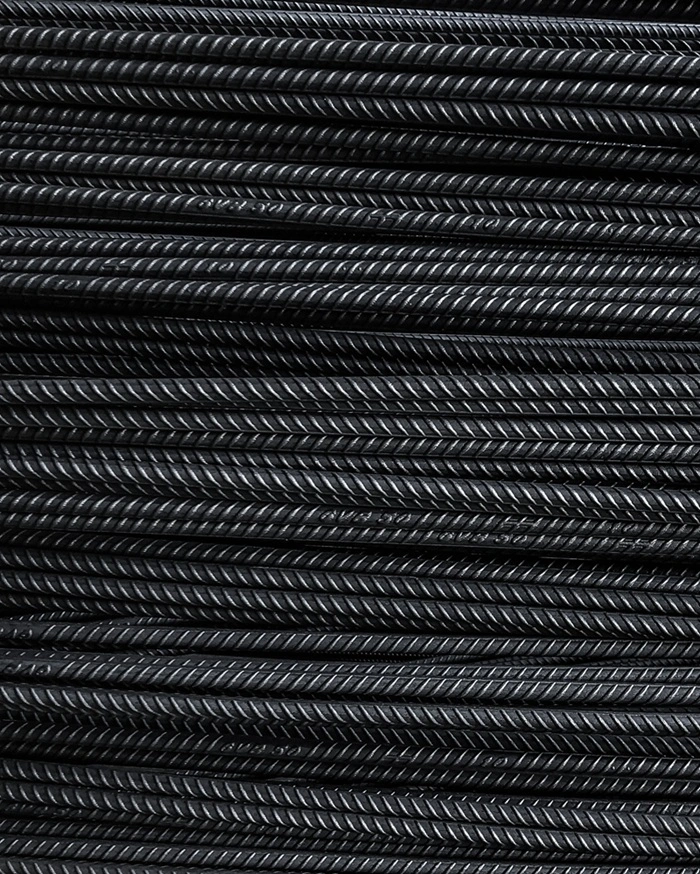
2. High Yield Strength Deformed Bars (HYSD / Rebar)
Description:
These are ribbed bars that provide better bonding with concrete.
Common Grades:
- UAE: BS 4449 Grade B500B/B500C
- US: ASTM A615 Grade 60, Grade 75
Applications:
- Slabs, beams, columns, foundations
- Infrastructure projects
Key Difference:
- UAE follows British Standards (BS)
- US follows ASTM standards with grade classification based on yield strength (ksi)
3. Epoxy-Coated Rebar
Description:
Rebar coated with epoxy to resist corrosion.
Applications:
- Marine structures
- Bridges and coastal projects
UAE vs US:
- UAE: Used in coastal zones but less common due to preference for galvanized or stainless steel
- US: Widely used in infrastructure (especially bridges)
4. Galvanized Steel Rebar
Description:
Steel coated with zinc to improve corrosion resistance.
Applications:
- Coastal and high-humidity environments
- Industrial structures
Regional Use:
- UAE: Preferred due to harsh saline conditions
- US: Used but less common than epoxy-coated rebar
5. Stainless Steel Rebar
Description:
Highly corrosion-resistant but expensive.
Applications:
- Critical infrastructure
- Long-life structures (100+ years design life)
Comparison:
- UAE: Used in premium or government projects
- US: Used selectively due to cost constraints
6. Structural Steel (Hot Rolled Sections)
Description:
Includes I-beams, H-beams, channels, and angles.
Standards:
- UAE: BS EN 10025
- US: ASTM A36, A992
Applications:
- Buildings, warehouses, industrial structures
UAE vs US Steel Standards: Key Differences
| Aspect | UAE Standards | US Standards |
| Codes | BS (British Standards), Eurocodes | ASTM, ACI |
| Rebar Grades | B500B, B500C | Grade 40, 60, 75 |
| Measurement Units | Metric (mm, MPa) | Imperial (inch, ksi) |
| Corrosion Protection | Galvanized, Stainless preferred | Epoxy-coated widely used |
| Design Approach | BS/Eurocode-based | ACI-based design |
Challenges in International Projects
When working across UAE and US markets:
- Conversion between metric and imperial systems
- Different bar bending schedules (BBS formats)
- Variation in lap lengths and development lengths
- Code compliance differences (BS vs ASTM/ACI)
This is where outsourcing to experienced firms like CONSTECH REBAR SOLUTIONS becomes valuable for accurate detailing and coordination.
How the Right Steel Selection Saves Cost
- Reduces material wastage
- Improves durability and lifecycle cost
- Minimizes rework due to code mismatch
- Enhances project efficiency
Conclusion
Understanding the types of steel used in construction across UAE and US standards is essential for contractors, engineers, and developers working in global markets. While both regions rely heavily on reinforced steel, the differences in standards, environmental conditions, and applications require careful planning and expertise.
For international projects, aligning steel selection with local codes ensures compliance, safety, and cost efficiency.
FAQ
Q1: What is the most commonly used steel in construction?
Reinforcement steel (rebar) is the most widely used steel in construction.
Q2: What is the difference between ASTM and BS steel standards?
ASTM is used in the US, while BS standards are followed in the UAE and other regions.
Q3: Which steel is best for coastal construction?
Galvanized or stainless steel is preferred due to high corrosion resistance.
Q4: Why are rebar grades different in UAE and US?
Because each region follows different design codes and measurement systems.